Día Basics
Dia Basics and History
Start here to learn what Dia is, where the April 30 date comes from and how a Mexican children's day grew into a book celebration in US libraries.
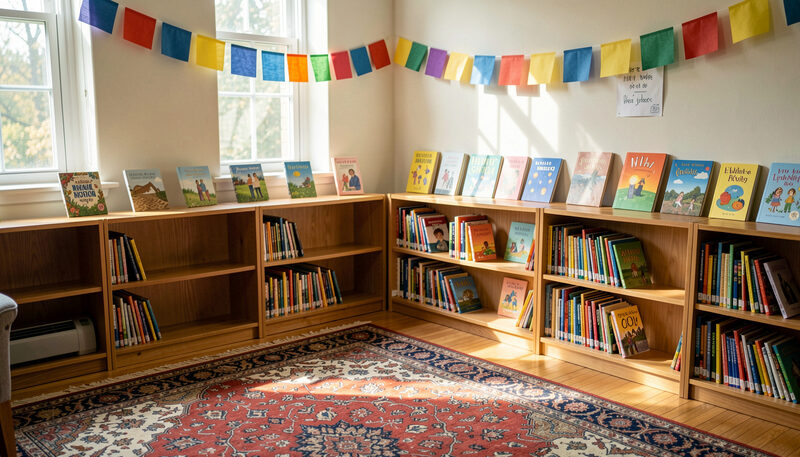
Día is the celebration that puts children and books on the same day. Every April 30, libraries, schools and families mark El día de los niños/El día de los libros, Children's Day/Book Day, with story times, crafts, giveaways and family reading. This section holds the foundation pages of the subject: what the celebration is, and the history that explains why it looks the way it does. Read these two first, and the rest of the magazine, the book lists, the program guides and the home routines, will make sense as one system.
What this section covers
Two guides stand here. What Is Dia? explains the name, the date and the promise: a celebration of childhood that takes reading as seriously as play, open to every culture and every language in the room. The History of Dia traces the full arc, from Mexico's April 30 children's day established in 1925, through author Pat Mora's 1996 idea of pairing children with books, to the first celebrations in 1997 and the library sponsorship that carried the day nationwide. Together they answer the two questions every new planner and every curious parent asks first.
Why does the history matter to a planner?
Because a celebration you understand is one you can adapt. Knowing that Día began with an existing family holiday, not a library invention, tells you why the event works best when it welcomes whole families rather than dropping children at a door. Knowing that the American Library Association serves as national sponsor, with REFORMA's early backing, tells you where the book lists, the registry and the credibility come from when you need to explain the day to a principal or a city. The history page also tells this domain's own story, which spent its first decade hosting the Texas program that grants and tool kits were built for.
Where do you go from here?
Once the basics are in place, the magazine splits into three practical paths. Librarians and teachers turn to Library Programs, which holds the rebuilt tool kit, the event planning timeline, the craft table plans and the funding paths. Families and reading-minded parents turn to Reading at Home for bilingual read aloud routines and the summer plan that keeps two languages alive. Everyone choosing books, toddler to tween, starts at Book Lists, where the selection checks for bilingual and multicultural titles are laid out page by page.
What does the word bookjoy mean?
Bookjoy is the term Pat Mora coined for the pleasure a child takes in a book, the grin at a rhyme, the demand to hear it again, the page turned back to check a picture. It names something educators knew without a word for, and it changed how the celebration talks about reading: not as a subject or a score, but as a delight to be arranged. Everything in this magazine is, at bottom, a method for arranging bookjoy: the story corner schedules it, the book lists stock it, the home routines compound it. When a planner asks whether a program element belongs, the question underneath is whether it produces bookjoy or merely fills time.
Can a community celebrate on another date?
Yes, and many do. April 30 is the shared anchor, and anchoring matters: a common date is what makes the registry counts, the national book lists and the annual rhythm coherent. But the celebration has always bent to real calendars. Schools hold their program on the last school day of April; libraries with heavy weekend sports shift to the following Saturday; museums run Día weekends. The promise does not depend on the calendar square, only on the pairing it holds. What the sponsors ask is that a registered event keep the name and the intent; the date serves the families, not the reverse.
What should you read first?
Start with What Is Dia? for the shape of the day itself, then follow with The History of Dia for the why behind it. If you are planning an event on a deadline, skim both and jump straight to the tool kit; the history will still be there in June. The magazine is written so each page answers its own question and links to the next one, in the order a real planner, teacher or parent actually meets the decisions.
Día Basics
What Is Dia?
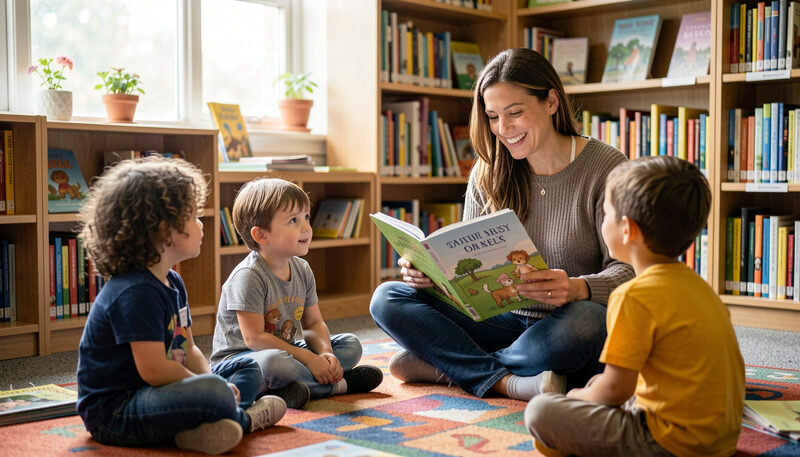
Dia, El dia de los ninos El dia de los libros, pairs every child with books each April 30. See what a Dia celebration holds and how families join in.
One date, every child, every book: the shape of the day.
Día Basics
The History of Dia
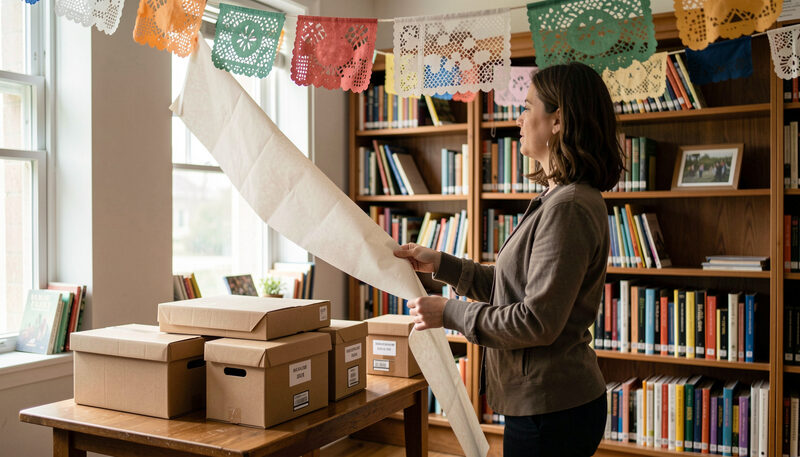
Trace Dia from Mexico's April 30 Children's Day to Pat Mora's 1996 idea and the library sponsorship that carried Children's Day Book Day nationwide.
From 1925 Mexico to a library near you.