Día Basics
What Is Dia?
Dia, El dia de los ninos El dia de los libros, pairs every child with books each April 30. See what a Dia celebration holds and how families join in.
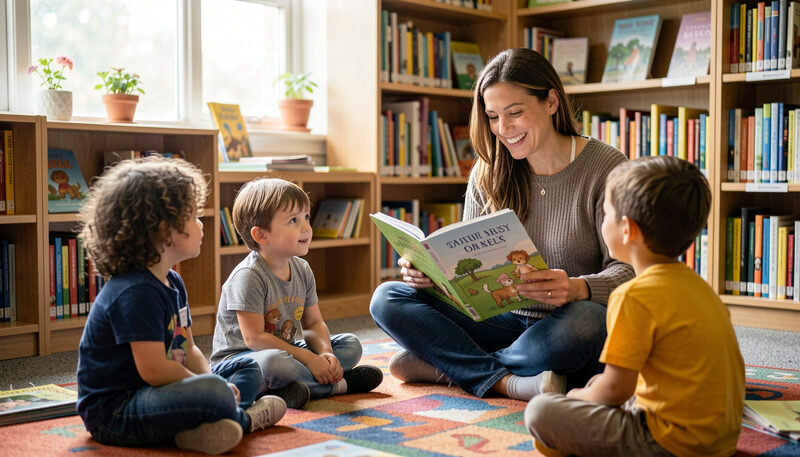
Ask a librarian about Día and you will hear a date first: April 30. Ask again and you will hear a promise: every child, every book, every culture, every day, culminating in one celebration each spring. Día is short for El día de los niños/El día de los libros, Children's Day/Book Day, a literacy celebration that honors children and connects them to books in whatever languages their families speak. This guide explains what the celebration actually holds, where its name comes from and how a family, a classroom or a library can take part this year.
What does the name really mean?
The full name pairs two days into one. El día de los niños is the day of the child, observed across Mexico on April 30 since 1925 with school festivals, games and family time. El día de los libros is the day of the book, the addition author Pat Mora proposed in 1996 when she imagined linking the existing children's day to literacy. Together they make a single idea: a celebration of childhood that takes reading as seriously as play. The American Library Association, through its children's services division ALSC, serves as the national sponsor, and the celebration is often introduced with the phrase Día: Diversity in Action.
What actually happens on April 30?
A Día event looks like a very good library party. Common pieces include bilingual story times, where a reader shares the same book in English and Spanish; craft tables with papel picado banners, marigold bookmarks and book cover making; performances by musicians or puppeteers; book giveaways and library card sign ups; and family activities like writing walls where parents and children post a favorite word. Libraries register their events with the national Día registry maintained at dia.ala.org, which publishes the count each spring. Schools, museums and community centers run the same promise on their own schedules, often in the week around April 30.
Is Día only for Latino families?
No, and the sponsors are explicit about this. Día began at the Mexican celebration of children, which is why so much of its vocabulary is Spanish, but the celebration was founded to honor every child and every culture. A Día program in a diverse city will include books in English, Spanish, Vietnamese, Arabic, Chinese or the languages its families actually speak. The book lists ALSC publishes each year are built around cultures and voices across the whole country, not one community. If your library serves families from many backgrounds, Día is built for exactly that room.
Why do libraries care about a party?
Because the party does quiet work. A family that arrives for a puppet show leaves knowing where the picture books live. A parent who watches a story time in two languages sees a model for reading aloud at home, the single home habit most linked to later reading success. A child who chooses a free book keeps it. Librarians describe Día as a bridge: it connects the families who already celebrate El día del niño with the public institution, the library, that can serve them every other day of the year. The full story of how that bridge was built is on The History of Dia.
What does a library need to hold one?
Less than most people assume. The core needs are a date near April 30, one person willing to read aloud, a table for crafts and a stack of books that reflect the families invited. Everything else scales. A branch with no budget can run a story hour, a bookmark table and a book swap, and still deliver the whole promise of Día. Larger systems add performers, partner tables and giveaways. The planning timeline, room layout and day of run sheet are laid out in How to Plan a Dia Event at Your Library, and the craft table plans are detailed in Dia Crafts and Activities for Children.
How can a family celebrate at home?
Families are the other half of the celebration. A home Día can be thirty minutes long: choose a book that mirrors your family or opens a window to another one, read it aloud in the language you are most comfortable in, let the child turn the pages, and end with something small and festive, a special snack or a paper flag the child makes. The read aloud routines that keep two languages growing are covered in Reading Aloud in Two Languages at Home, and the book choice side starts with Bilingual Picture Books for Story Time.
Where do the books come from?
From lists maintained by people whose job is to know. ALSC publishes fresh national Día book lists every year, grouped by age, and Colorín Colorado, a bilingual education project, maintains guidance on choosing multicultural and bilingual titles for classrooms and libraries. This magazine collects the selection habits that matter most: what to check in a bilingual edition, how to spot a book about a culture written from inside it, and how to match a stack of books to the ages in the room. The whole path is mapped on Book Lists for Dia Readers.
How do you start this week?
Pick your lane. If you are a librarian or teacher, read the tool kit first: The Dia Tool Kit assembles the program outline, the story time formats and the book talking scripts in one place. If you are a parent, put a date on the calendar, choose one book and read it aloud. If you want to understand why any of this matters, start with the history page and work forward. April 30 comes once a year; the reading it starts is meant to last the other 364 days.