Library Programs
Library and School Programs
Everything a planner needs: the Dia tool kit, an event timeline from date to publicity, crafts that hold attention and small budget funding paths.
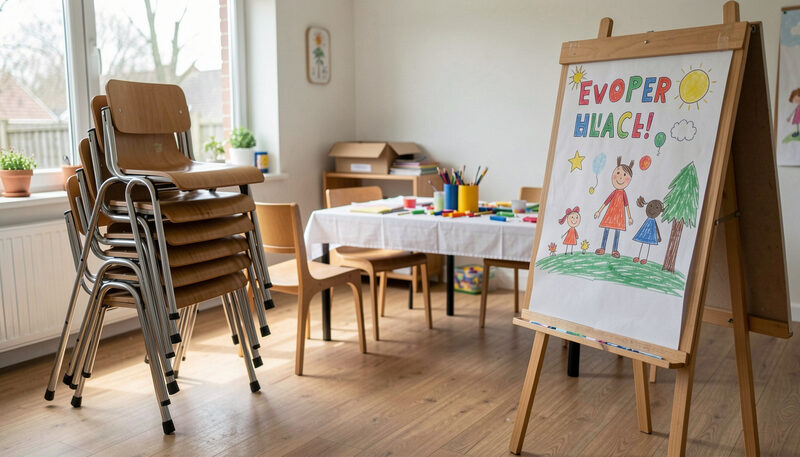
A Día program is a small production: a date, a room, a story corner, some craft tables and a stack of books, run by a planner who knows the sequence. This section is the production manual of the magazine. It holds the rebuilt tool kit that once lived on this domain in its Texas days, the event planning timeline, the craft table plans and the funding paths, four guides that together take a first time planner from nothing to a counted, thanked, repeatable April 30.
What this section covers
Four guides stand here. The Dia Tool Kit is the one page assembly of the whole program: the promise a program must keep, the station model outline, and the chapters on bibliography, booktalking, storytelling, readers theater and the parent reading demonstration, rebuilt from the structure of the original tool kit files. How to Plan a Dia Event at Your Library is the timeline, eight weeks out to the Monday after, with room layout, publicity and the day of run sheet. Dia Crafts and Activities for Children details the four reliable crafts, papel picado, marigold bookmarks, book covers and story puppets, with materials, steps, ages and cleanup. Funding a Dia Program: Grants and Budgets covers the money: the grant programs running today, Friends groups, local sponsors and the complete zero budget plan.
Who is this for?
Public librarians planning a branch celebration, elementary teachers and reading specialists building a school event, and the volunteers who end up running the craft table because they said yes once. The guides assume no prior Día experience and no budget, because that describes most first celebrations. The promise the program keeps, honor children, connect them to books, welcome every culture, is explained in the foundation pages at Dia Basics, and the books themselves are chosen with the checks in Book Lists.
What is the Texas connection?
This domain hosted the Texas Library Association's Día program for years: a committee, an application process, and grants that helped member libraries buy books and supplies. The tool kit chapters planners downloaded then, bibliography, bilingualism, booktalking, storytelling, readers theater, reading aloud, are the same chapters this section rebuilds with current sources. The history of that program, and of the celebration it served, is on The History of Dia. The rebuilt kit keeps the old structure because the structure worked.
How big should a first program be?
Small enough to run calmly, which is smaller than most planners guess. A first celebration that does one story time, one craft table, one browsing table and one welcome table, for ninety minutes, with three staff and two volunteers, is a complete Día program by every definition the sponsors use. Attendance grows the following year on its own, because the families who came are the publicity. The classic first year mistake is booking a performer before the boring spine, date, room, run sheet, is solid; the second mistake is running out of craft supplies because the table was sized to the RSVP list rather than to the flyer's reach.
What goes wrong, and what fixes it?
The same four things, mostly. The room double booked: confirm the room in writing the week of, with the name of who unlocks it. The story corner empty at the published hour: start anyway, readers draw readers, and never let a schedule slot silently die. The craft table mobbed at 2:15: this is why the supplies live in closed boxes and a volunteer decides when to open the next one. Nobody signed the attendance sheet: station it at the welcome table with the library card forms and a pen on a string, because the counts from that sheet fund next year, as Funding a Dia Program explains. None of the four is fatal; all four are foreseeable.
What should you read first?
Read the tool kit end to end once, in one sitting, to see the whole shape; it is built for exactly that pass. Then work the planning timeline with a calendar open, and hand the crafts guide to whoever owns the craft table. Leave funding for the week your plans turn into a shopping list, or read it first if the budget conversation is why you are here. Each page stands alone; the four together are the program.
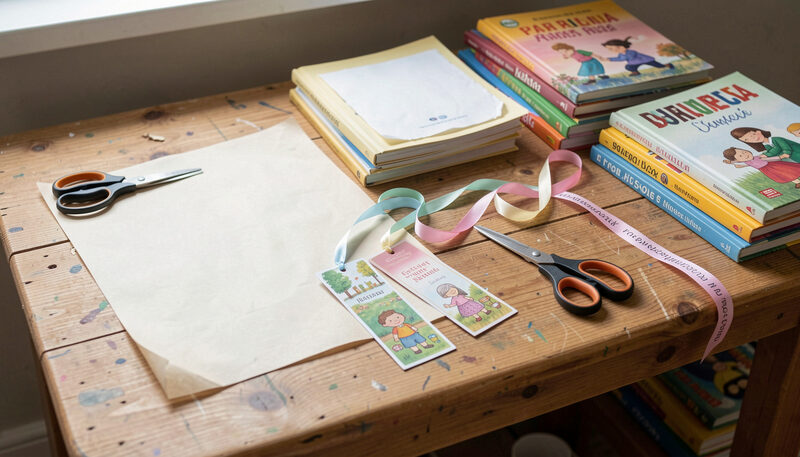
Library Programs
The Dia Tool Kit
A working tool kit for Dia planners: program outlines, book talking, storytelling, readers theater and reading aloud, built chapter by chapter.
The chapters of the old Texas kit, rebuilt.
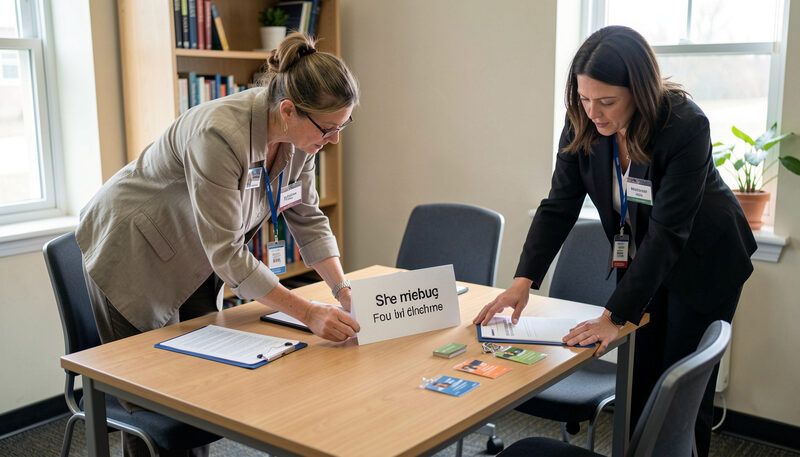
Library Programs
Planning a Dia Event
Plan a Dia celebration step by step: date, partners, volunteers, room layout, publicity and a calm routine for the day itself.
Eight weeks out to the thank you note.
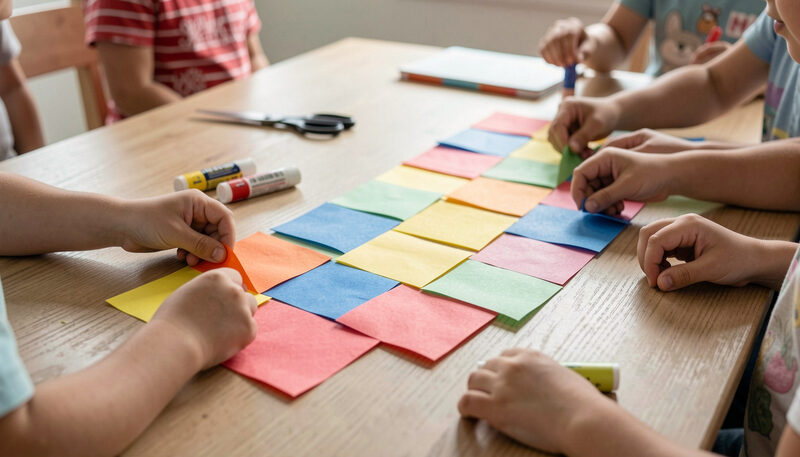
Library Programs
Dia Crafts and Activities
Papel picado banners, marigold bookmarks, make a book cover and story puppets: quiet crafts that keep children making between story times.
Four tables that never fail.

Library Programs
Funding a Dia Program
How library Dia programs get money: state association grants, Friends groups, local sponsors and low cost plans that work without any grant.
Money for books, from somewhere.