Reading at Home
Reading at Home
Family routines that keep two languages growing: read aloud habits, book access at home and a summer plan children can run themselves.
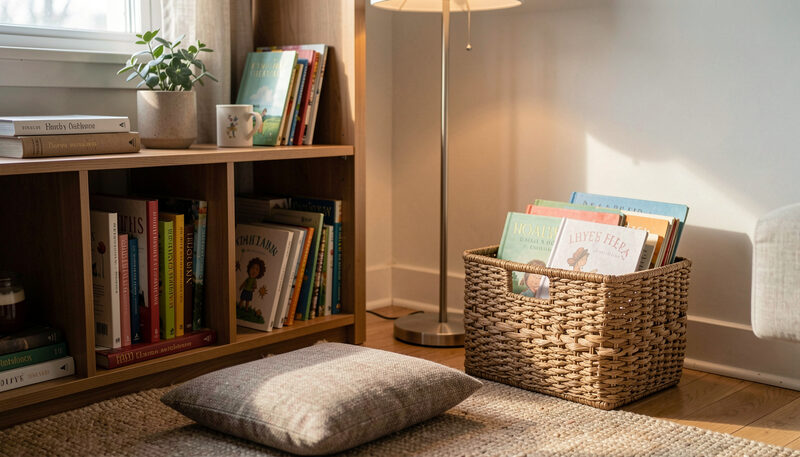
The library party lasts an afternoon; the reading it celebrates happens at home, nightly, in whatever languages the family speaks. This section is for the family side of Día: the read aloud routines that carry two languages, and the summer plan that keeps both alive when school lets out. Nothing here needs workbooks, screens or money, only a basket of books, a slot in the evening and a library card that gets used.
What this section covers
Two guides stand here. Reading Aloud in Two Languages at Home teaches the read aloud across languages: why frequency beats fluency, whether to read one book twice or two books once, what to do when your second language is thin, and the routine that survives a working week, plus how to keep reading aloud through the chapter book years. A Bilingual Summer Reading Plan for Families builds the summer counterpart: the weekly library stack, the two language tally on the refrigerator, the routines that attach to summer days, and the records children keep themselves.
Why does the home side matter so much?
Because the read aloud is the one home habit that reliably builds readers, and in a bilingual family it decides the balance between languages as well. School pulls toward English; daily life pulls toward the home language; the read aloud is where the family sets the balance on purpose, night after night, one basket of books at a time. The national sponsors of Día describe the celebration as a year round commitment that culminates on April 30, and the year round part happens in living rooms, not libraries. What the day itself looks like, and how a family joins or hosts one, is explained at What Is Dia?.
What do you need to start?
A library card and a basket. The choosing starts with the selection guides in Book Lists, matched to the ages in the house, and the books that come home live where the reading happens, at a child's height. Librarians planning the family handout for an event will find the parent demonstration, the ten minute session that teaches these routines to grown ups, inside The Dia Tool Kit; the pages here are the longer version families take home.
What if one language starts to dominate?
It will, at some point, because languages shift with school, screens and siblings, and the fix is structural rather than strict. Add reading in the quieter language instead of cutting the louder one: a second read aloud slot, a library stack rebalanced toward it, an audiobook in the car. Never make a language a punishment or a test; a child who associates Spanish with homework and English with cartoons has learned exactly the wrong lesson. The home that treats both languages as places where good stories happen, in roughly equal measure across a season, keeps both, and the tally on the refrigerator is just the family's way of seeing the season whole.
How long does the routine last?
Longer than parents expect, which is the good news. The read aloud that starts with a baby and a board book is still working at ten, as a chapter a night of a novel the child could read alone, because the point stopped being decoding years ago; it is vocabulary, warmth and ten quiet minutes. Families who keep the slot through the middle grade years report the same thing: the child pretends to tolerate it and defends it when it is threatened. The summer plan is the routine's hardest season and its best payoff, and the two guides in this section are built to hand off to each other every June.
What should you read first?
Start with Reading Aloud in Two Languages at Home tonight: it is written for the parent at the end of the day, and its first routine needs one book and ten minutes. Bring in A Bilingual Summer Reading Plan in May, before school ends, because the plan only works if the first library visit lands in the first week of June. Between the two, the household side of the celebration runs itself, which is the design.
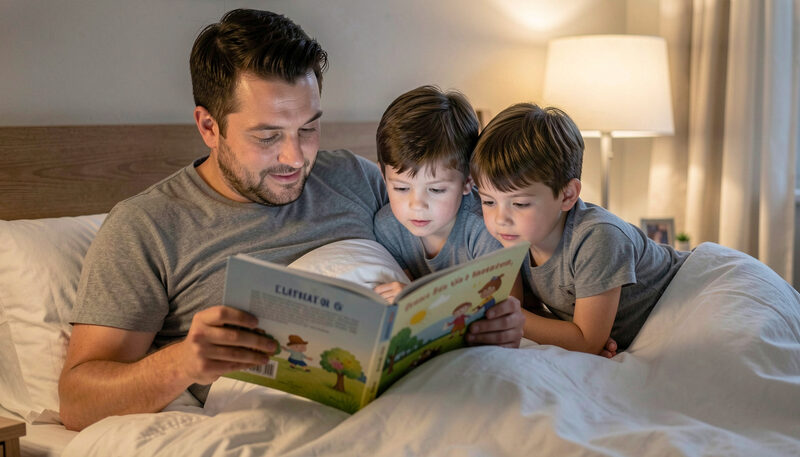
Reading at Home
Reading Aloud in Two Languages
Read aloud in two languages without perfect fluency: shared reading tricks, switching languages mid book and routines for busy weeks.
Frequency beats fluency, always.
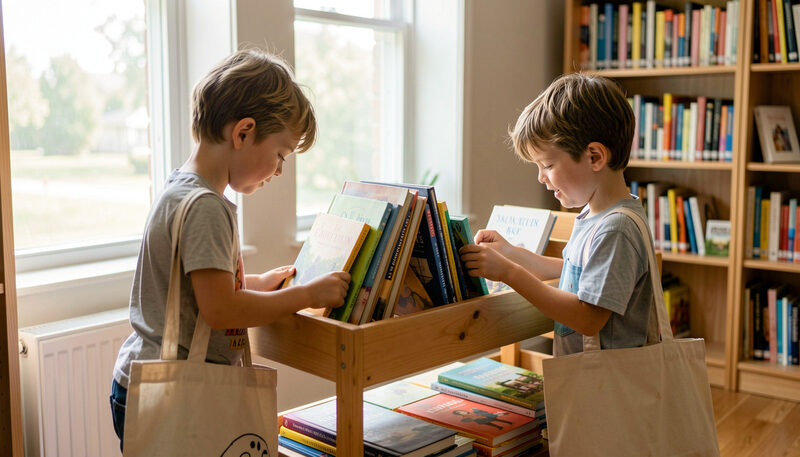
Reading at Home
A Bilingual Summer Reading Plan
Build a summer that carries both languages: library cards, weekly stacks, read aloud slots and simple records children keep themselves.
The season school lets go.