Library Programs
Planning a Dia Event
Plan a Dia celebration step by step: date, partners, volunteers, room layout, publicity and a calm routine for the day itself.
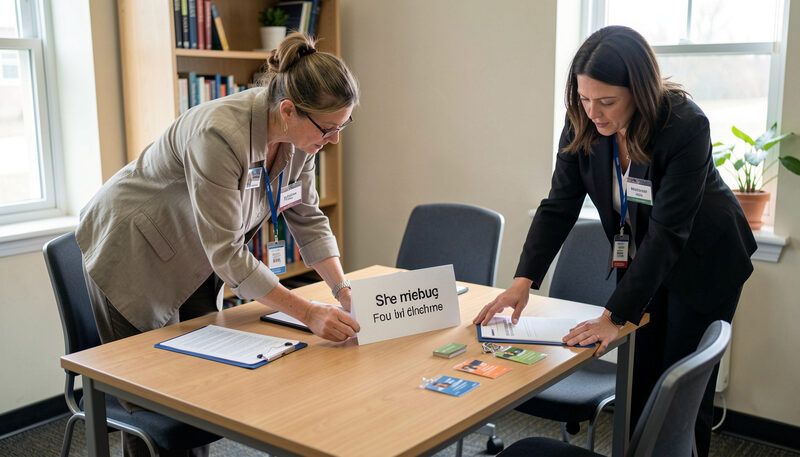
A Día event rewards planning more than spending. The celebration that honors children and books on April 30 can run on a borrowed room, a strong reader and a table of crafts, but it still needs a timeline, a room that works, partners who bring families, and a calm plan for the afternoon itself. This guide walks the whole path from eight weeks out to the Monday after, in the order a first time planner actually meets the decisions.
When should you start planning?
Eight weeks before your date is the comfortable starting point, and six is the honest minimum. April 30 falls late in the school spring, when calendars fill with testing and festivals, so the first two weeks go to fixing the date and the room before anything else. Book the room first, even before the program exists: a room on the right afternoon shapes everything else. Check the dates of local spring breaks, religious holidays and school carnivals, and pick an afternoon that does not fight them. A well chosen date with a modest program beats a brilliant program on a conflicted Saturday.
Who should be at the planning table?
Two or three people plan a branch sized Día; one is possible but lonely. Beyond the library, the partners who matter are those who can bring families: the elementary school down the street, the parent teacher organization, a Head Start center, a church or community group, a bilingual preschool. Ask each partner for one specific thing, a flyer home in backpacks, a table at the event, a volunteer for two hours, rather than a general offer of support. The archived Texas program that once lived on this domain ran on exactly this model: a small committee, application based grants, and partner libraries doing the visible work.
How do you lay out the room?
Stations, not rows. Divide the room into zones with tape or furniture: a story corner with a rug or chair up front, two or three activity tables along the walls, a browsing table of booktalked titles near the door, and a welcome table where every family stops first. Keep the welcome table stocked with the sign in sheet, the schedule and the library card applications. Flow should run one way, in at the welcome table, through stations, out past the browsing table. Put the loudest station farthest from the story corner, and keep a clear path to the restrooms. Walk the room once with a stroller to find the pinch points.
What goes on the schedule?
A two hour program with a published schedule, repeated every twenty minutes, serves a rolling audience better than one continuous show. Open with a welcome in the languages your families speak, then alternate story times with station time: story corner at 2:10, 2:40 and 3:10, with crafts, browsing and sign ups running continuously. Close with a group moment at the end, a raffle drawing for books, a thank you to partners read aloud, and a reminder that the library is open the other 364 days. Post the schedule at the door in large type, in each language your welcome uses. The story corner formats and booktalk scripts are collected in The Dia Tool Kit.
How do you get people to come?
Publicity for Día is a backpack flyer, not a press release. The channels that work are the ones families already trust: a flyer sent home through partner schools, an announcement at story time for three weeks running, a text from the parent organization, and a poster in the shops families actually visit, the grocery, the laundromat, the pharmacy. Write the flyer at a fourth grade reading level in every language it will be read. The old press kit on this domain in its Texas days held exactly one page worth keeping: the paragraph explaining what Día is, why the library celebrates it and what a family will do there. Write that paragraph once and reuse it everywhere.
What does the day itself look like?
Arrive ninety minutes early with a run sheet that names who does what and when: who unlocks, who tests the sound, who greets, who reads, who restocks the craft table, who photographs. Keep the welcome table staffed from the first minute to the last. Expect the first twenty minutes to be slow and the next hour to rush; the slack you left in the schedule exists for exactly that. When something slips, protect the story times and let a station go quiet instead. After the last family leaves, take thirty minutes to write down what surprised you, while it is still true.
What happens the Monday after?
The event ends on April 30; the program does not. On the Monday after, send partners a two line thank you with one photo, post the photo where families will see it, count what you have: attendance, cards issued, books checked out, crafts emptied. File the run sheet with notes for next year. If the room asked for more, point families at the routines that carry the celebration home, starting with Reading Aloud in Two Languages and A Bilingual Summer Reading Plan. And when the budget conversation starts, the numbers you counted are the argument: Funding a Dia Program shows where the next year's money can come from.